
Sinus Care · Flint, Michigan
Balloon Sinus Dilation in Flint, MI
With the XprESS ENT dilation system
Congestion, facial pressure, drainage, or sinus infections that keep coming back can be exhausting, especially when rinses, sprays, or medication have not been enough. Here is how balloon sinus dilation works, how our ENT team decides whether it fits, and what to discuss before treatment.
- Addresses
- Narrowed sinus drainage pathways
- Approach
- Through the nostrils, no facial incisions
- Setting
- Office or operating room, based on your plan
The procedure
How balloon sinus dilation works
Your sinuses drain through small openings. When the lining becomes inflamed, those openings can narrow and mucus may not drain the way it should. Balloon dilation widens a selected opening rather than removing tissue.
At our practice, the XprESS device is placed with image guidance. The next section explains how the Scopis system by Stryker uses your sinus CT to track instruments as the balloon is guided to the sinus openings.
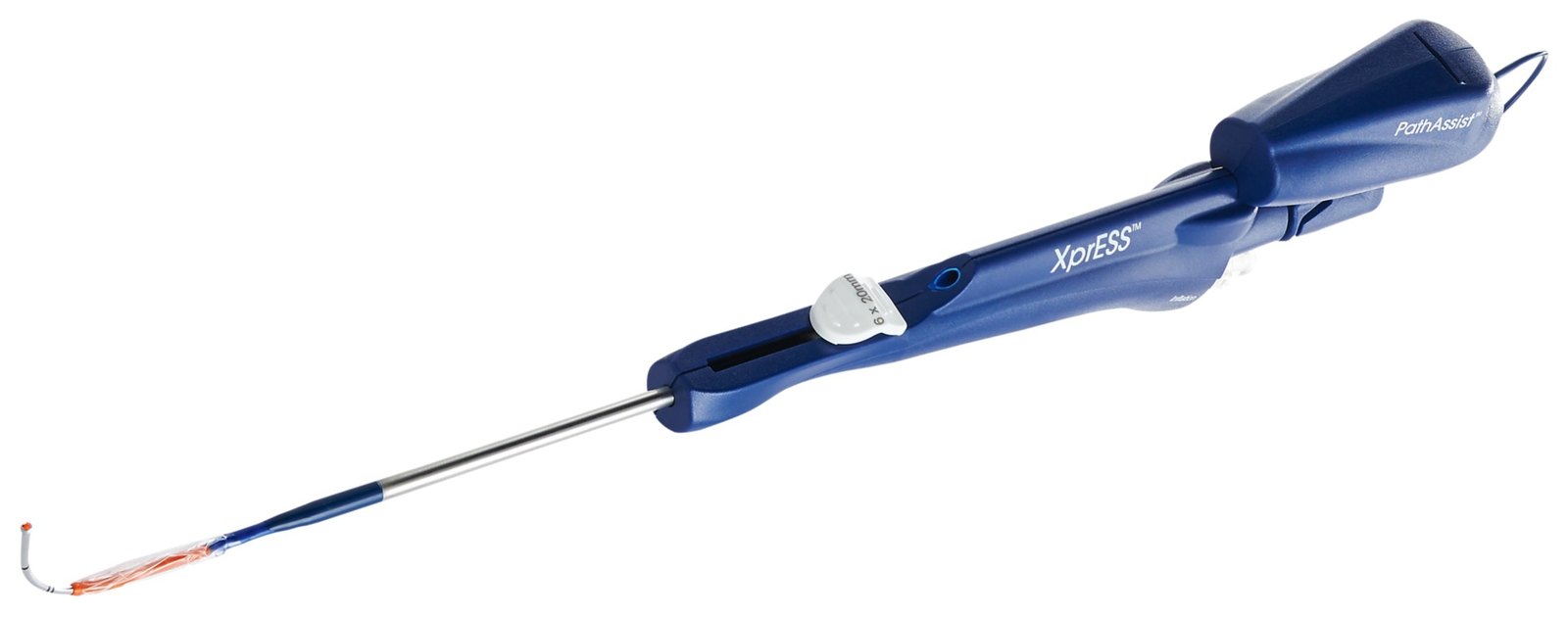
Guided into place
A small balloon device is guided through the nostril to a selected sinus drainage opening. There are no incisions on the face.
Gently inflated
The balloon is inflated to widen the drainage pathway.
Deflated and removed
The balloon is deflated and removed, leaving a wider opening that may help the sinus drain.
Image-Guided Balloon Sinuplasty
Scopis Image Guidance System by Stryker
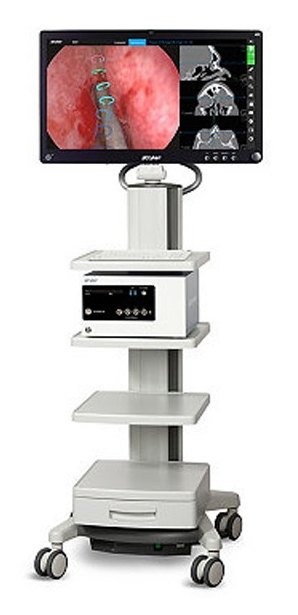
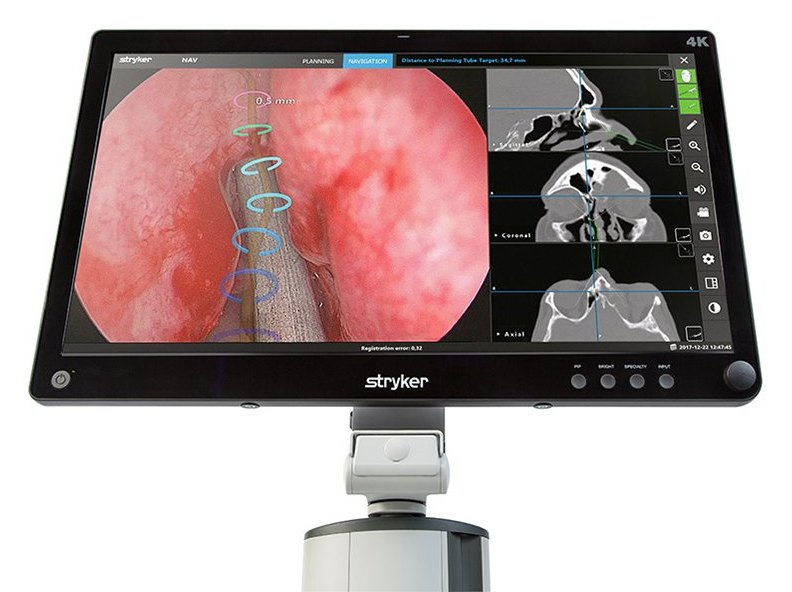
Image guidance is what sets balloon sinuplasty apart at Premier Head and Neck Surgery. The state-of-the-art Scopis system by Stryker uses your own sinus CT, like a GPS for the sinuses, so instruments can be tracked for safety and precision as your surgeon guides the balloon into the sinus openings. This image guidance uses equipment normally found in the operating room, which supports patient safety during balloon dilation and sinus procedures.
Built from your own sinus CT
Your sinus CT scan is uploaded into Scopis, creating a detailed map of your sinus anatomy before the balloon is placed.
Guidance that works like a GPS
During the procedure, Scopis shows where the instruments are on that map, the way a GPS shows a route.
Tracked for safety and precision
Your surgeon can follow the instruments in real time while guiding the balloon into the sinus openings.
Is balloon dilation the right approach?
Many people improve with rinses, sprays, or medication. When symptoms continue, your ENT looks at the full picture before recommending a procedure: how long symptoms have lasted, what you have already tried, what an examination shows inside the nose, and, when appropriate, a sinus CT scan to see which sinuses are involved.
Balloon dilation and endoscopic sinus surgery
Functional endoscopic sinus surgery (FESS) uses an endoscope and small instruments through the nostrils to remove tissue or structures blocking the sinuses. Depending on your anatomy and the extent of sinus disease, your ENT may recommend balloon dilation, FESS, or continued medical care.
Treatment setting and recovery
Depending on your health and treatment plan, balloon sinus dilation may be performed in the office or in an operating room. Your physician will explain where your procedure would take place and how you will be kept comfortable.
Recovery differs from person to person. Your care team will give you instructions for the days after treatment and schedule follow-up to check your progress.
Safety
Risks to discuss with your physician
Like any procedure, balloon sinus dilation has potential risks. Understanding them is part of deciding whether it is right for you.
More common side effects
- Pain or discomfort
- Bleeding
- Inflammation of the tissue
- Sinus symptoms that continue or worsen
Less common, serious complications
- Injury to the area around the eye
- Cerebrospinal fluid (CSF) leak
This is not a complete list. Your physician will review your individual risks, benefits, and alternatives before any treatment.
Sinus, ear, and nasal symptoms can overlap. See how this option fits alongside other treatments our team may discuss with you.
Compare minimally invasive nasal & sinus proceduresAsk whether balloon sinus dilation may be an option.
Call our Flint office to schedule an evaluation for persistent sinus symptoms.
Call to Schedule an Evaluation