
Nasal Care · Flint, Michigan
Chronic Rhinitis Treatment in Flint, MI
ClariFix Cryotherapy
A runny nose, congestion, or postnasal drip that lasts for months deserves an evaluation, especially when sprays or medication have not brought enough relief. Here is how ClariFix works, how our ENT team decides whether it fits, and what to discuss before treatment.
- Addresses
- Ongoing chronic rhinitis symptoms
- Approach
- Controlled cooling applied inside the nose
- First step
- An exam to confirm what is causing symptoms
The treatment
How ClariFix cryotherapy works
Nerves at the back of the nose help control mucus production and swelling of the nasal lining. In chronic rhinitis, overactive nerve signals can contribute to ongoing symptoms. ClariFix applies controlled cooling to targeted tissue to reduce those signals. The goal is fewer and milder symptoms, and results vary.
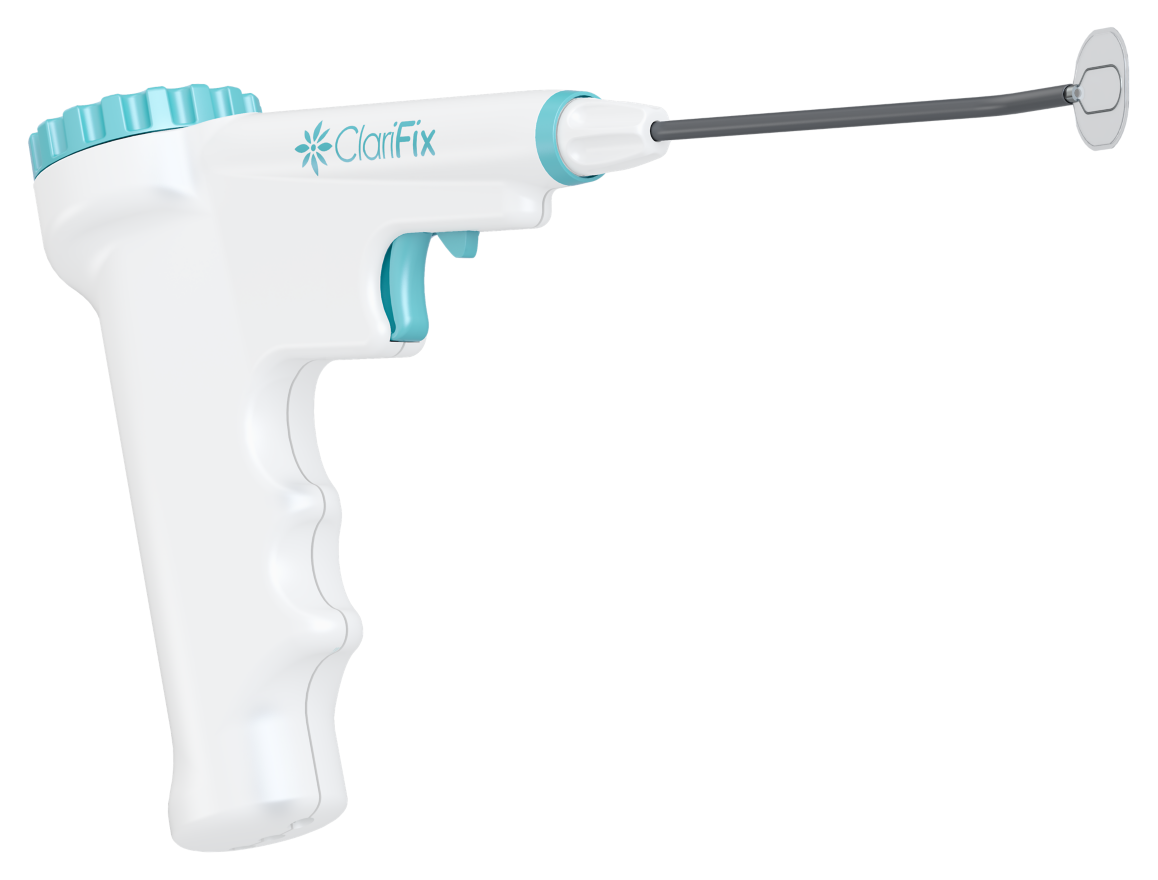
Positioned under direct view
While viewing the inside of your nose directly, your physician places the ClariFix device toward the back of the nose, where the targeted nerves are located.
Controlled cooling
The device applies focused, controlled cooling to the targeted tissue on each side of the nose.
Healing afterward
Changes in symptoms are not immediate. Your physician will explain what to expect as the treated area heals.
Is it chronic rhinitis?
Several conditions cause similar symptoms. Chronic rhinitis involves the lining of the nose itself. That is different from sinus drainage problems, which balloon sinus dilation may address, and from structural blockage such as nasal valve collapse or a deviated septum. Your ENT reviews your symptoms and history, examines the inside of your nose, and considers allergies or other contributing factors.
When ClariFix may be considered
ClariFix may be an option for adults with chronic rhinitis after a full evaluation, including people whose symptoms continue despite medical treatment such as nasal sprays. Your physician will advise whether to continue any current medications afterward.
Tell your physician if you have a cold-sensitivity condition such as Raynaud's disease or cold urticaria, a bleeding disorder, or take blood thinners. These affect whether and how treatment can be used.
What to expect
Treatment setting and recovery
Treatment setting
Where ClariFix is performed and how you will be kept comfortable depend on your health and treatment plan. Your physician will explain these details before treatment.
Recovery
Many people return to their usual activities soon afterward, but recovery differs from person to person. Your care team will give you instructions and schedule follow-up to review how your symptoms are responding.
Safety
Risks to discuss with your physician
Like any procedure, ClariFix has potential risks. Understanding them is part of deciding whether it is right for you.
More common side effects
- Temporarily increased congestion
- Pain or discomfort
- Headache
Less common, serious complications
- Bleeding, including nosebleeds
- A hole in the septum, the wall between the nostrils (septal perforation)
- Dry eye
- Changes in vision or injury around the eye
This is not a complete list. Your physician will review your individual risks, benefits, and alternatives before any treatment.
Sinus, ear, and nasal symptoms can overlap. See how this option fits alongside other treatments our team may discuss with you.
Compare minimally invasive nasal & sinus proceduresAsk whether ClariFix may help ongoing nasal symptoms.
Call our Flint office to schedule an evaluation for a runny nose, congestion, or postnasal drip that will not go away.
Call to Schedule an Evaluation